Food safety
How Long Do Leftovers Last? Fridge and Freezer Guide
How long leftovers last in the fridge and freezer, with a chart for common foods and simple rules for cooling, storing and reheating them safely.
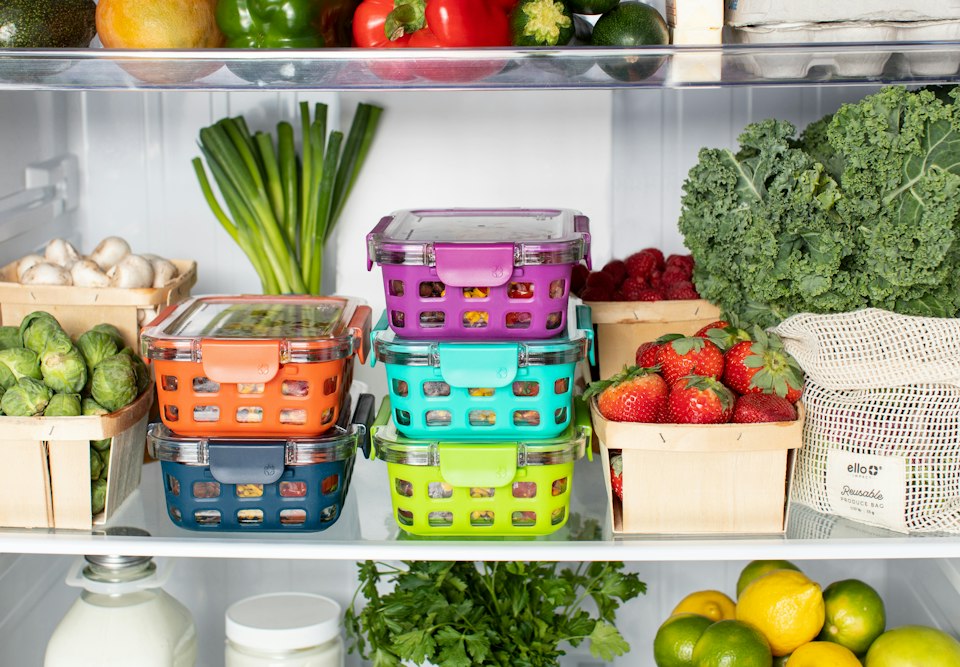
Cooking once and eating twice is one of the best habits a home cook can have, as long as you know how long leftovers last and how to keep them safe. This guide covers the general rule, a chart for common foods, and the habits that make leftovers taste as good on day three as on day one.
The general rule: 3 to 4 days
For most cooked food, the USDA advises eating refrigerated leftovers within 3 to 4 days, or freezing them. That covers cooked meat, poultry, fish, casseroles, soups, stews, cooked vegetables and cooked grains. After that, the risk of food poisoning rises even if the food looks and smells normal.
In the freezer at 0°F (−18°C), food stays safe indefinitely because bacteria cannot grow. Quality is a different matter: most leftovers taste best if eaten within 3 to 4 months.
Storage times for common leftovers
| Food | Fridge | Freezer (best quality) |
|---|---|---|
| Cooked chicken and turkey | 3 to 4 days | 2 to 6 months |
| Cooked beef, pork, lamb | 3 to 4 days | 2 to 3 months |
| Cooked fish | 3 to 4 days | 4 to 6 months |
| Soups and stews | 3 to 4 days | 2 to 3 months |
| Casseroles and cooked pasta dishes | 3 to 4 days | 2 to 3 months |
| Cooked rice and grains | See note below | 1 to 2 months |
| Hard-boiled eggs | Up to 1 week | Not recommended |
| Pizza | 3 to 4 days | 1 to 2 months |
Cooked rice needs extra care because of a bacterium called Bacillus cereus. Cool and refrigerate it quickly and eat it within a day or two. Our guide to cooking rice on the stove explains why.
Cool food quickly
The most important step happens before food even reaches the fridge. Refrigerate leftovers within 2 hours of cooking, or within 1 hour if the room is above 90°F (32°C). Bacteria grow fastest between 40°F and 140°F (4°C and 60°C), so the goal is to move food through that range quickly.
- Divide large batches into smaller, shallow containers.
- Cut large roasts into smaller pieces.
- Cool a big pot of soup or stew in a sink of ice water, stirring now and then, before refrigerating it.
- You don't need to wait for food to cool fully before refrigerating it. Leave a little space around hot containers so air can circulate.
Store leftovers well
Airtight containers keep food from drying out and from picking up other smells. Glass containers are easy to see into and can go from fridge to oven (check the manufacturer's guidance first). Label everything with what it is and the date it was cooked. A strip of masking tape and a marker work perfectly.
Keep your fridge at 40°F (4°C) or below and your freezer at 0°F (−18°C). A cheap appliance thermometer is the only way to know for sure.
Reheat leftovers safely
Reheat leftovers until they are steaming hot throughout and reach 165°F (74°C). Bring soups, sauces and gravies to a full boil. In the microwave, cover the dish, stir halfway, and let it stand for a minute so the heat spreads evenly.
Frozen leftovers can be thawed in the fridge, in cold water, or in the microwave, or reheated straight from frozen. Food thawed in the fridge can be refrozen, though the texture may suffer.
Signs leftovers have gone bad
Throw out leftovers that are past their time, even if they seem fine, and discard sooner if you see mould, notice an off smell or a slimy texture, or if a sealed container bulges. Never taste food to check it.
Make leftovers part of the plan
Dishes like our chickpea and spinach curry, creamy tomato soup and butternut squash soup taste even better the next day and freeze well. For a step-by-step method, read how to freeze soup, and see how long cooked chicken lasts for poultry-specific advice.
Sources: USDA Food Safety and Inspection Service, “Leftovers and Food Safety” and the FoodKeeper app. Times are for food stored continuously at the temperatures shown.
Recipes from this article
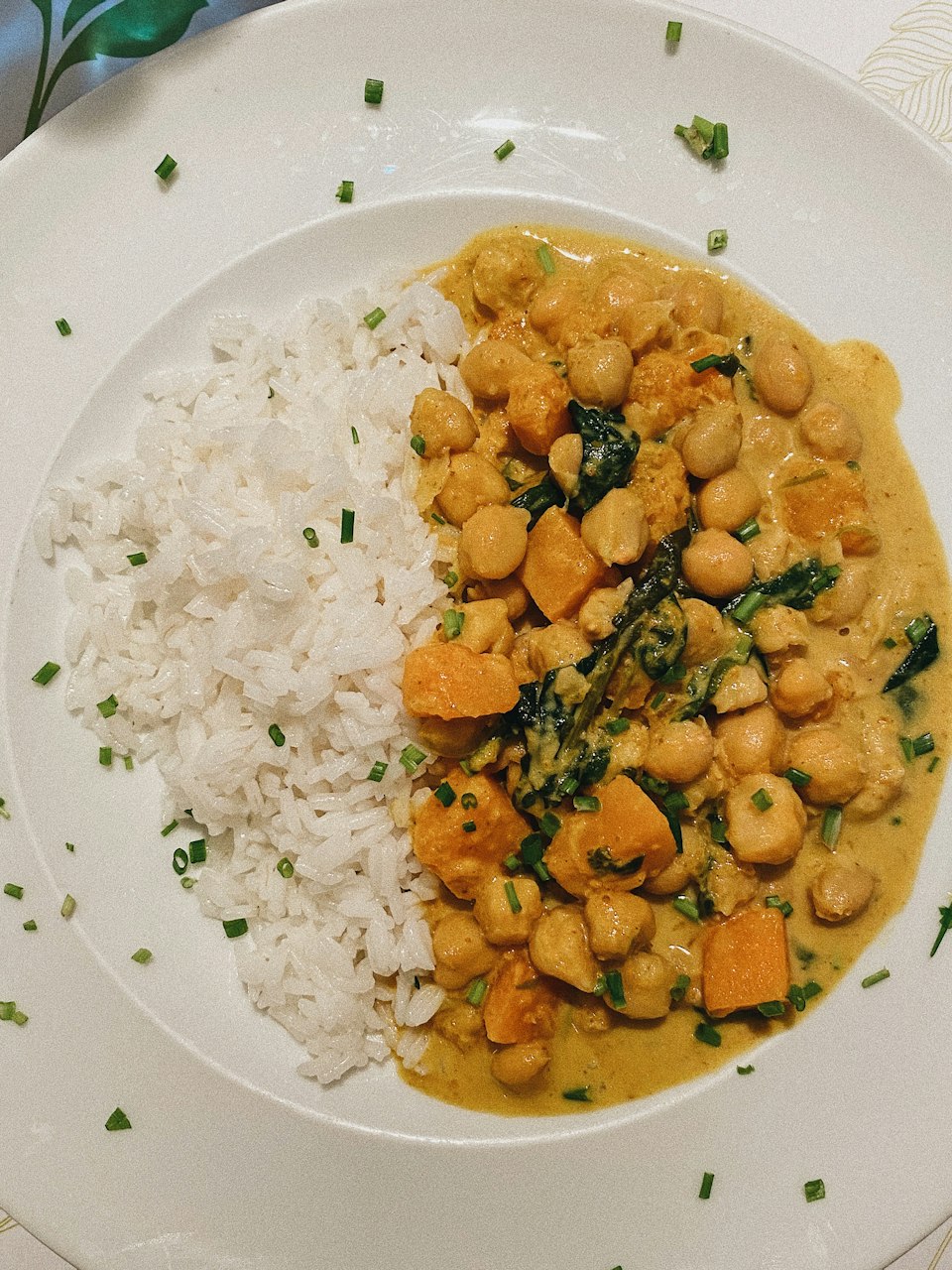
Chickpea and Spinach Coconut Curry
A pantry-friendly vegan curry of chickpeas, tomatoes and coconut milk, finished with spinach and lime. Ready in about 35 minutes.
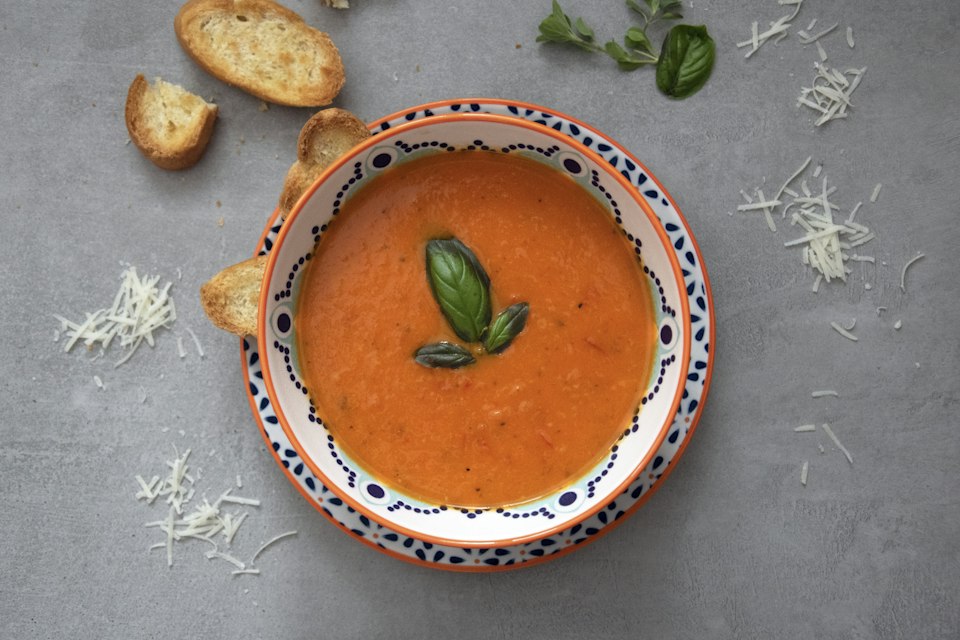
Creamy Tomato Soup
Smooth tomato soup made from canned whole tomatoes, onion and garlic, finished with cream and basil. About 40 minutes.
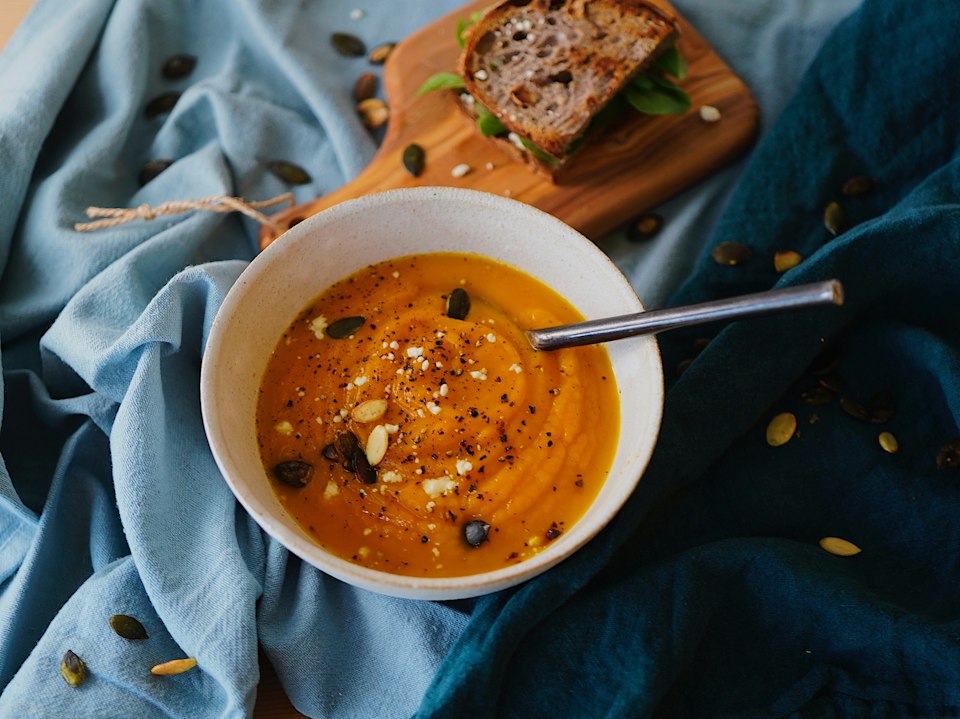
Roasted Butternut Squash Soup
Silky vegan butternut squash soup: the squash is roasted first for deeper flavour, then simmered with onion, garlic and a little nutmeg.
More from the blog
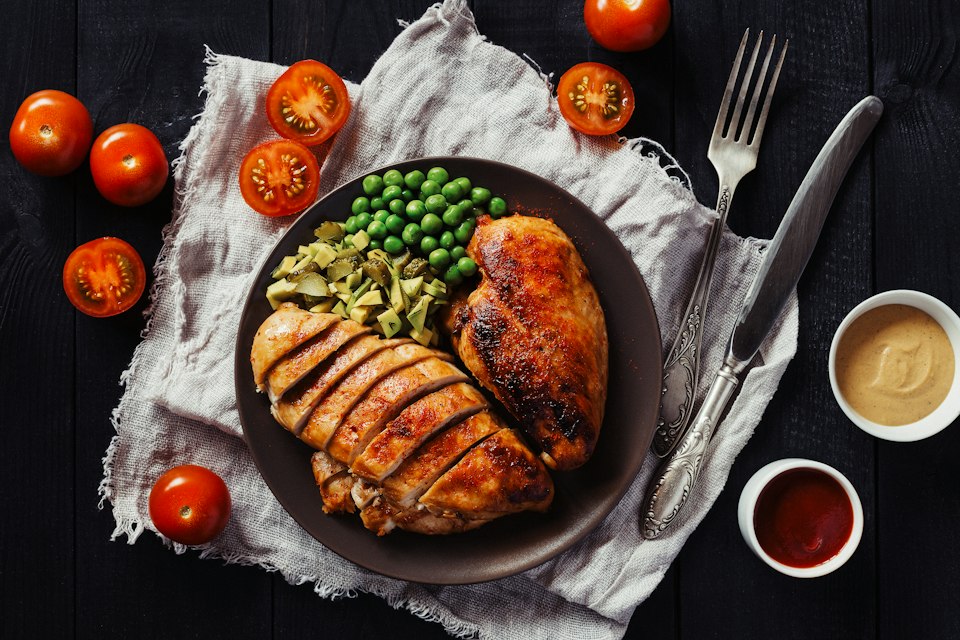
How Long Does Cooked Chicken Last in the Fridge?
How long cooked chicken lasts in the fridge and freezer, how to store it, how to tell if it has gone bad, and how to reheat it safely.
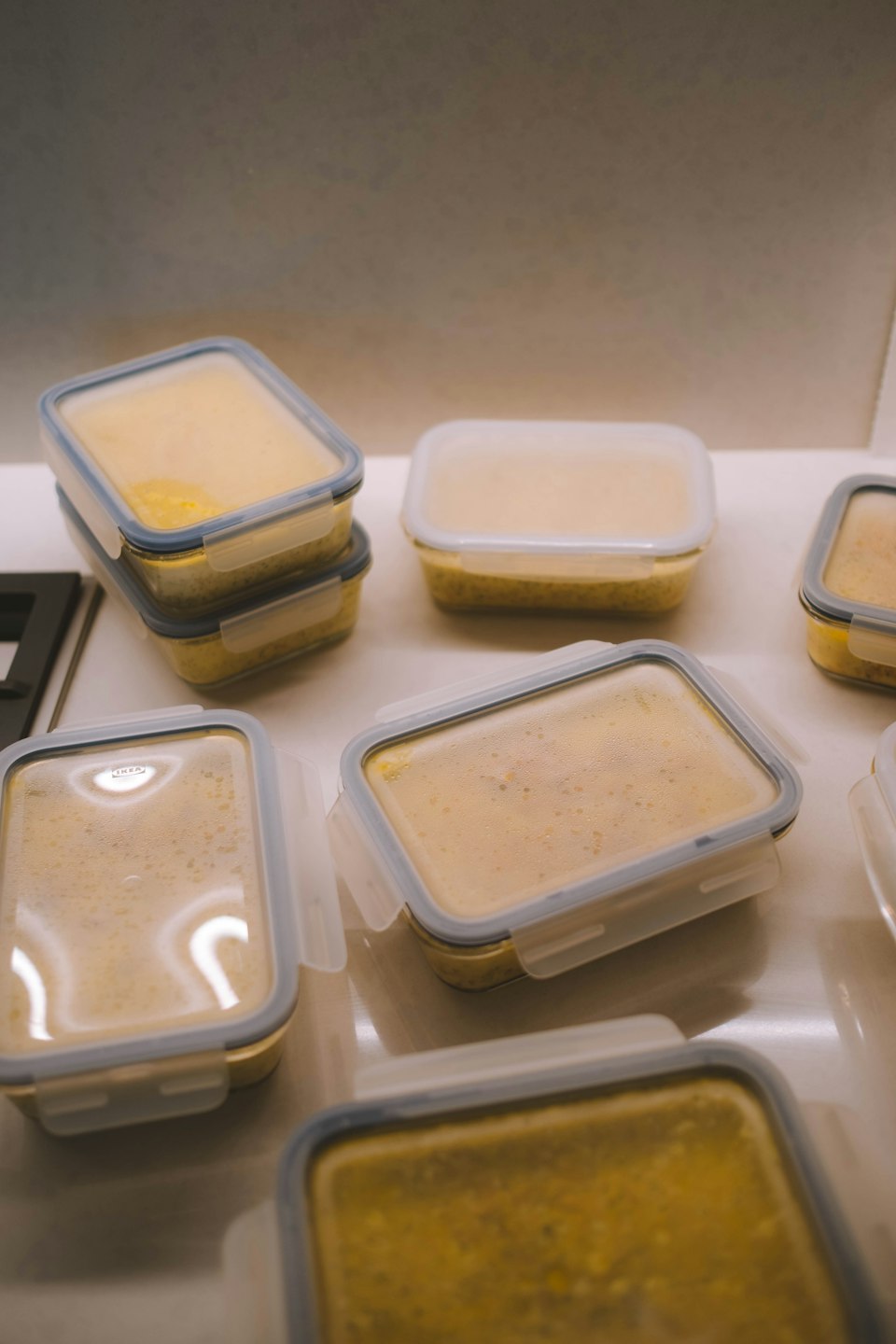
Can You Freeze Soup? How to Freeze It Safely
How to freeze soup safely: cooling it quickly, the best containers and mason jars, which soups freeze well, cream soups, and how to thaw and reheat.