Technique
How to Measure Ingredients Accurately
How to measure flour, sugar and liquids, why weighing is more reliable, and the conversions this site uses for cups, spoons, ounces and oven temperatures.
Most cooking forgives small measuring errors. Baking does not. A cup of flour scooped straight from the bag can weigh 20% more than a spooned and levelled cup, which is enough to turn a chewy cookie into a dry one.
Measuring by volume
- Flour: stir it to loosen, spoon it into a dry measuring cup until heaped, then sweep the top level with a knife. Do not tap or pack the cup.
- Brown sugar: press it firmly into the cup so it holds the cup's shape when turned out. Recipes on this site say “packed” when they mean this.
- Liquids: use a clear liquid measuring jug on a flat surface and read it at eye level.
- Spoons: level dry ingredients such as baking powder and salt with a straight edge.
Measuring by weight
A digital kitchen scale removes the guesswork. Every recipe here lets you switch to metric. Weights are given for ingredients where volume is unreliable, such as flour, sugar, oats and cheese. Use the scale's tare button to zero the bowl and weigh each ingredient straight into it.
Conversions used on this site
| US measure | Metric |
|---|---|
| 1 teaspoon | 5 ml |
| 1 tablespoon (3 teaspoons) | 15 ml |
| 1 cup (16 tablespoons) of liquid | 240 ml |
| 1 ounce (weight) | 28 g |
| 1 pound | 454 g |
| 1 cup all-purpose flour, spooned and levelled | 125 g |
| 1 cup granulated sugar | 200 g |
| 1 cup packed light brown sugar | about 210 g |
| 1 cup old-fashioned rolled oats | 90 g |
| 1 stick butter (½ cup) | 113 g |
A US customary cup is 236.6 ml. We round it to 240 ml, the value used on US nutrition labels. The difference is too small to matter in cooking.
| °F | °C (conventional oven) |
|---|---|
| 300 | 150 |
| 350 | 175 |
| 375 | 190 |
| 400 | 200 |
| 425 | 220 |
If you use a fan (convection) oven, most manufacturers suggest lowering the temperature by about 25°F (15°C). Check your oven's manual.
Put it into practice
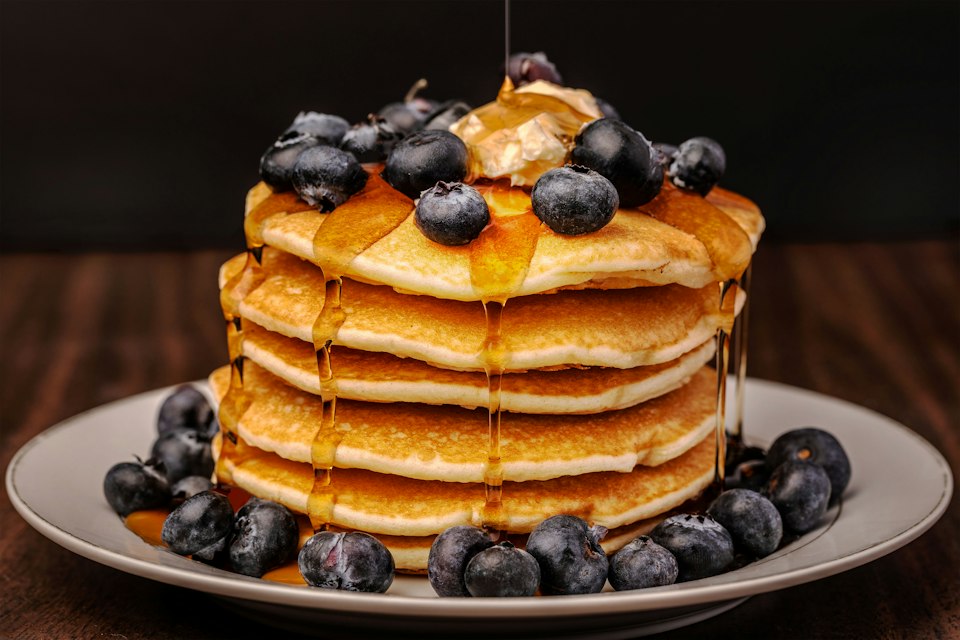
Fluffy Buttermilk Pancakes
Tall, tender buttermilk pancakes made with pantry staples. Makes about 12 pancakes in 30 minutes.
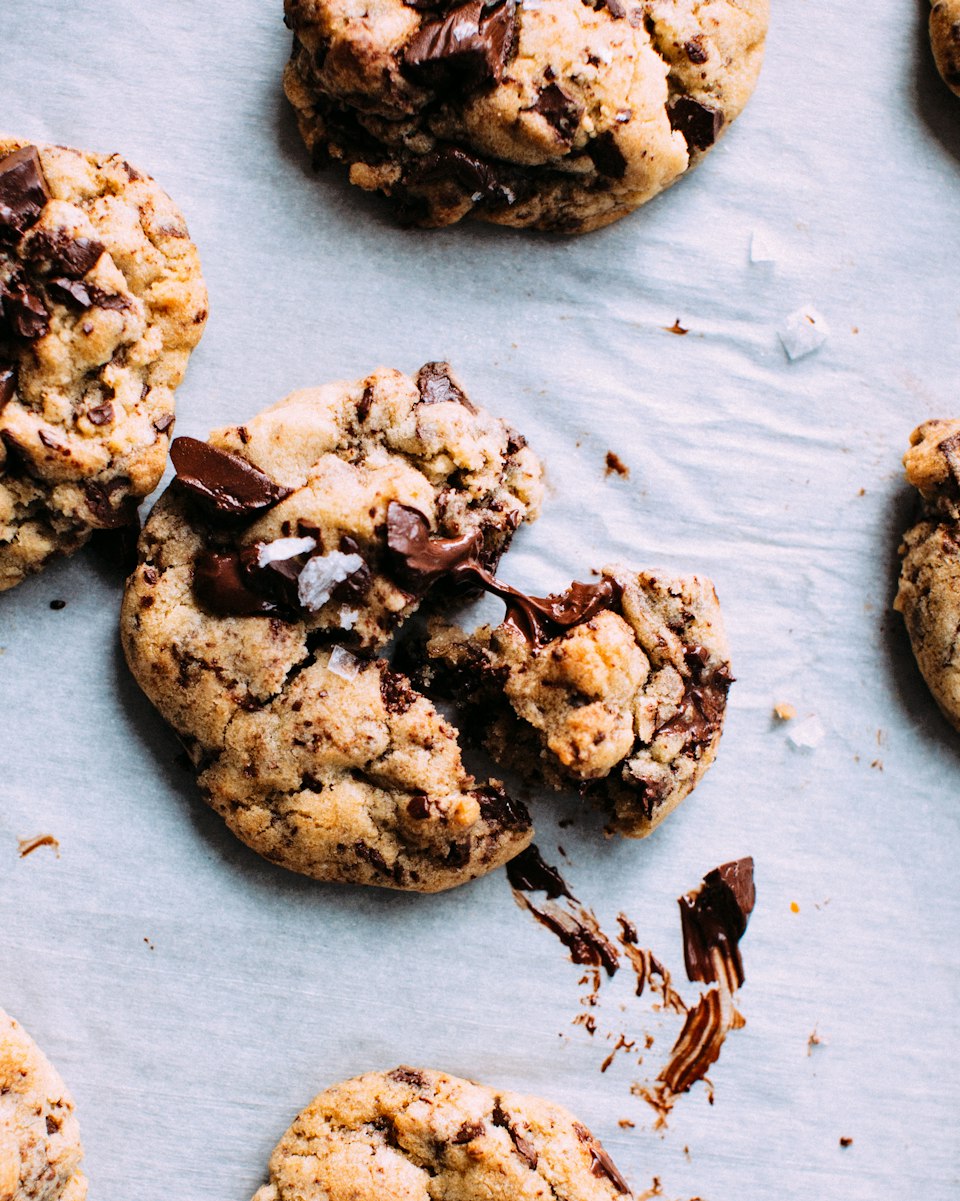
Brown Butter Chocolate Chip Cookies
Chewy chocolate chip cookies with nutty browned butter and crisp edges. Makes about 24 cookies.
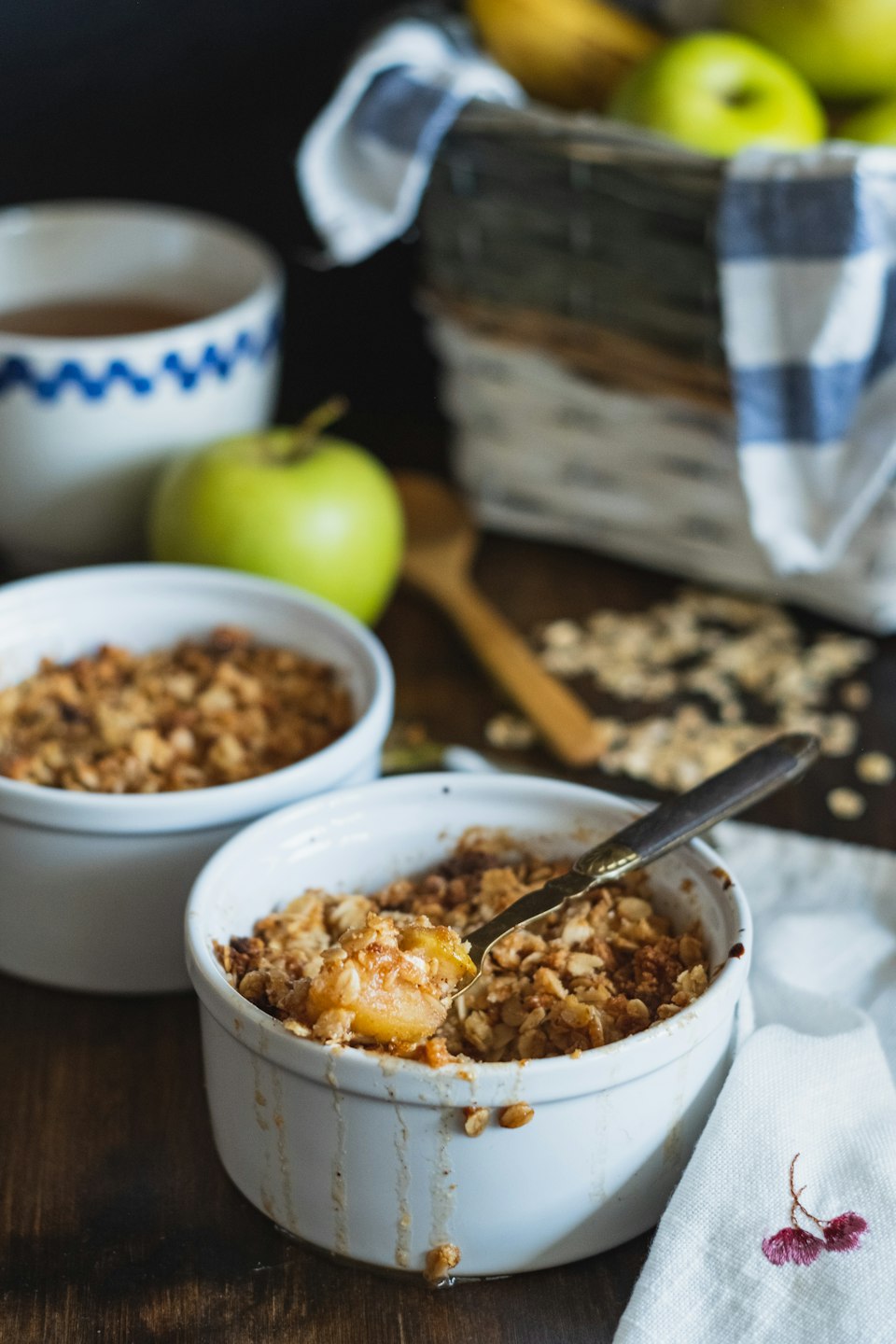
Spiced Apple Crumble
Cinnamon-spiced baked apples under a crisp oat and brown sugar topping. Serves 6; about 1 hour, mostly in the oven.