Food safety
Safe Cooking Temperatures
The minimum internal temperatures for meat, poultry, fish, eggs and leftovers, in Fahrenheit and Celsius, and how to measure them.
Colour and texture are unreliable signs of doneness. A thermometer is the only way to know food has reached a temperature that kills harmful bacteria. The figures below are the safe minimum internal temperatures published by the U.S. Department of Agriculture (USDA).
| Food | °F | °C | Notes |
|---|---|---|---|
| Poultry: whole, pieces and ground | 165 | 74 | Chicken, turkey, duck |
| Ground meat | 160 | 71 | Beef, pork, veal, lamb |
| Beef, pork, veal, lamb: steaks, chops, roasts | 145 | 63 | Then rest for 3 minutes |
| Fish and shellfish | 145 | 63 | Or until the flesh is opaque and flakes |
| Egg dishes | 160 | 71 | Casseroles, quiches, stratas |
| Leftovers and casseroles | 165 | 74 | Reheat until steaming throughout |
How to take a temperature
- Insert the probe into the thickest part of the food, away from bone, fat and gristle.
- For thin pieces such as chicken breasts or fish fillets, insert the probe sideways so the tip sits in the centre.
- Check more than one piece; pieces in the same pan cook at different speeds.
- Clean the probe with hot, soapy water after each use.
Keep cold food cold
- Keep your fridge at 40°F (4°C) or below and your freezer at 0°F (−18°C).
- Refrigerate cooked food within 2 hours, or within 1 hour if the room is above 90°F (32°C).
- Thaw frozen food in the fridge, in cold water changed every 30 minutes, or in the microwave if cooking immediately. Never thaw on the counter.
Source: USDA Food Safety and Inspection Service, safe minimum internal temperature chart. Check your local food-safety authority for guidance where you live.
Put it into practice
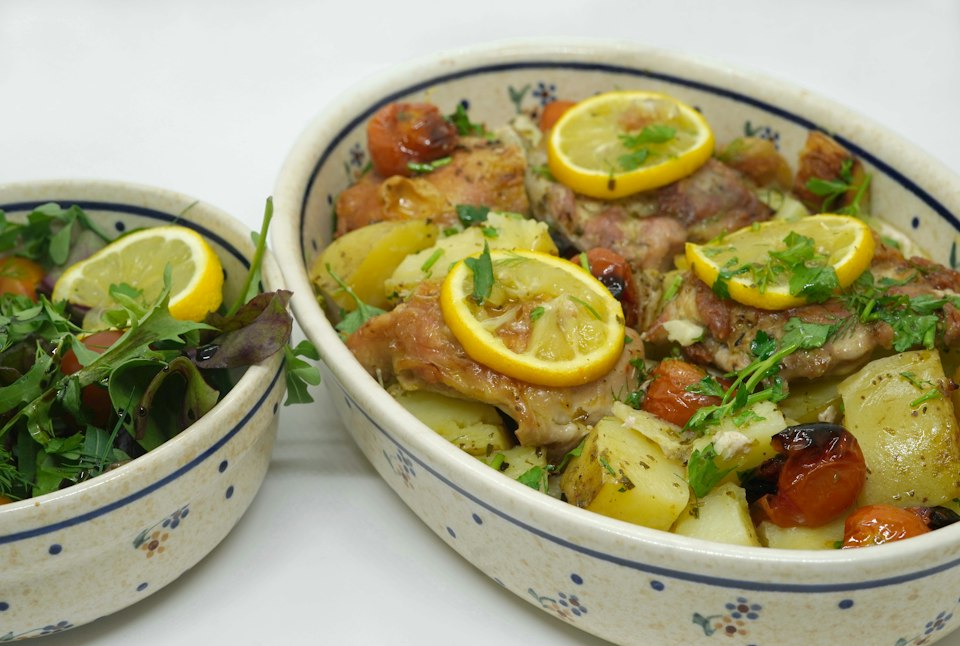
Sheet-Pan Lemon Garlic Chicken Thighs
Crisp-skinned chicken thighs roasted on one pan with baby potatoes, lemon, garlic and oregano. About 45 minutes, start to finish.
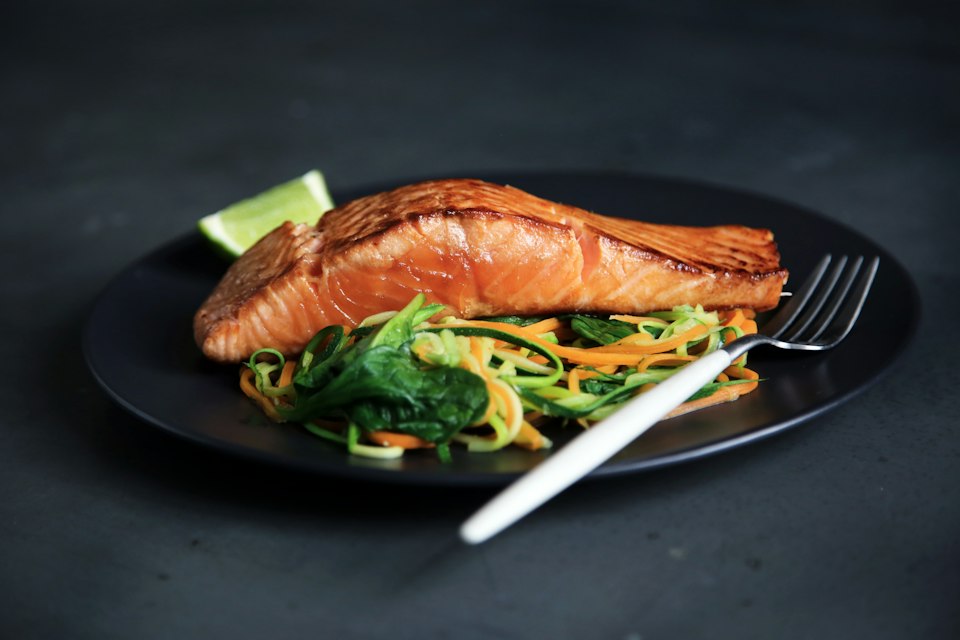
Sheet-Pan Dijon Salmon with Green Beans
Salmon fillets with a honey-Dijon glaze, roasted on one pan with garlicky green beans. On the table in about 25 minutes.
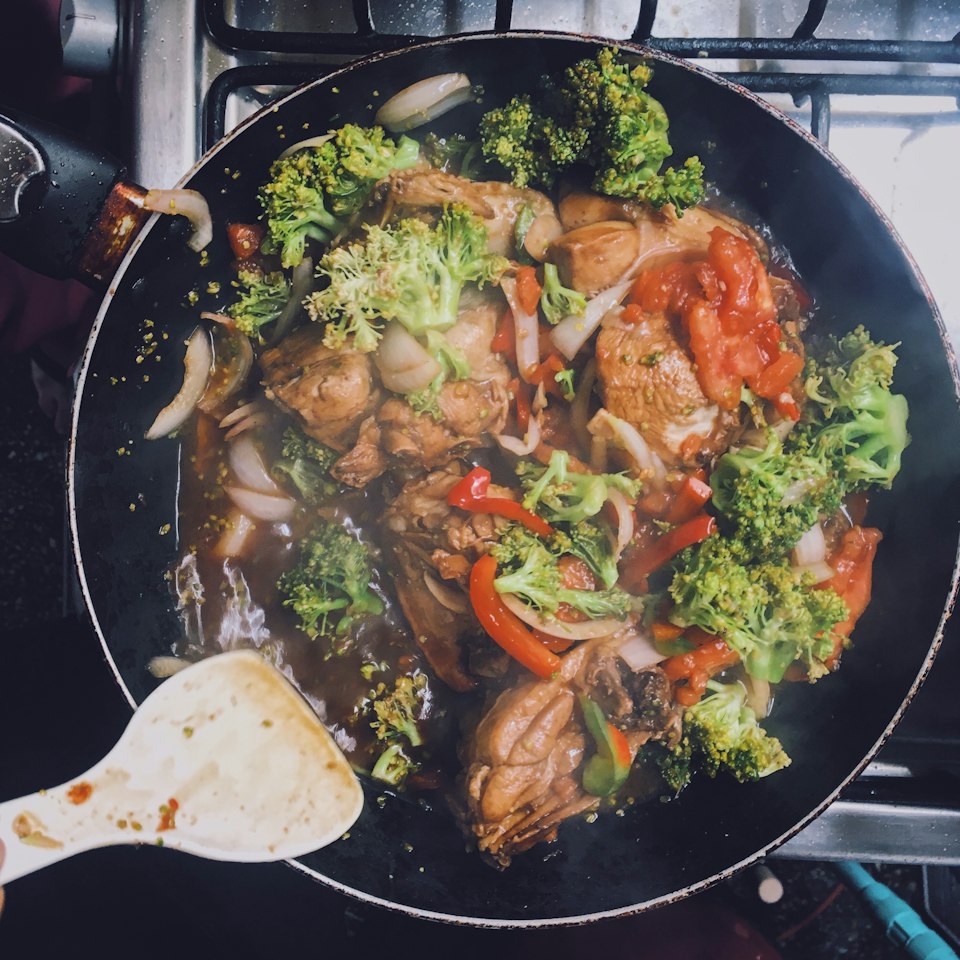
Chicken and Broccoli Stir-Fry
Tender sliced chicken and crisp broccoli in a glossy garlic-ginger soy sauce. About 30 minutes, served over rice.